Plan
Maragogi Safety: Sea, Reefs, Sun and Health
The precautions that prevent most problems: swimming near lifeguards, respecting the tide, sun protection and care on the road.
Updated on October 5, 2026 ✓ Information checked on October 5, 2026 adapted from the Portuguese original
Maragogi is a safe, relaxed destination for most visitors. The most common problems are predictable: sunburn, reef cuts, dehydration and scares in the sea. This guide gathers the precautions that prevent almost all of them.
Emergency numbers
| Service | Number | When to call |
|---|---|---|
| Military Police | 190 | Crime, threats, safety risks |
| SAMU | 192 | Medical emergencies: sudden illness, accidents with injuries, difficulty breathing |
| Fire Department | 193 | Drowning, sea rescue, fire, accidents with trapped victims |
These are free national numbers that also work from cell phones. If in doubt, call any of them: the operator will advise or transfer you.
In the sea and on the beach
- Choose stretches with lifeguards. Ask where the posts are when you arrive.
- Respect the flags. Red means swimming is not recommended. Yellow calls for caution. Always follow the lifeguard’s guidance.
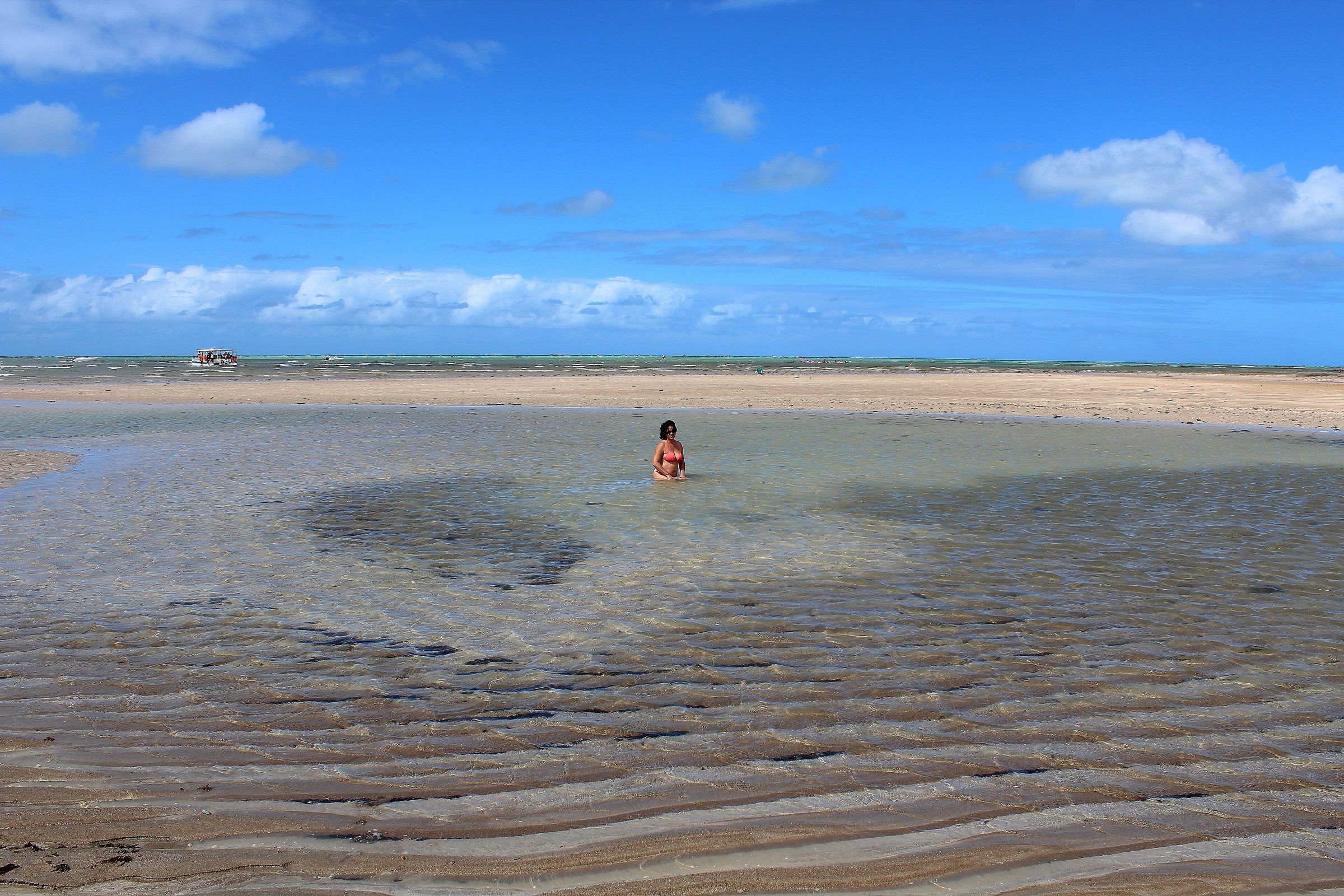
- Watch out for the rising tide. On reef beaches, the water comes back fast. Don’t walk far from the sand without knowing the tide time.
- Beware of currents. If you’re pulled out to sea, don’t swim against it. Swim parallel to the beach until you’re out of the current and wave for help.
- No swimming after drinking alcohol.
- Children always within arm’s reach, even in shallow water.
The sea near the shore is usually calmer where there’s a reef barrier, but this varies with the tide and weather. Before you go, check the tide table.
In the natural pools
The pools lie in reef areas a few kilometers offshore, inside the Costa dos Corais APA. Visits are regulated by ICMBio.
- Follow the guide and stay within the marked area.
- Wear water shoes. The reef cuts and there are sea urchins.
- Don’t step on or touch the coral. It’s a rule of the protected area and prevents injuries.
- Life jacket for weak swimmers, including adults.
- Return at the agreed time. When the tide rises, the depth and the current increase.
- Trip canceled due to bad weather? Accept it. The decision protects you.
To choose the pool that best suits your group, see which natural pool to choose.
Sun and heat
The heat is constant. January’s normal maximum in Maceió, about 130 km away, reaches 31 °C (88 °F), according to INMET. At sea, reflection off the water increases exposure.
- Wear a UV-protective shirt, a hat and sunglasses.
- Avoid the strong sun from late morning to mid-afternoon whenever you can.
- Drink water all the time, even if you’re not thirsty.
- Reapply sunscreen after swimming, but prefer clothing protection before going into the reef.
- Warning signs: headache, dizziness, nausea and very hot skin. Find shade, drink fluids and, if it doesn’t improve, call 192.
Health
- Bring a basic kit: bandages, antiseptic, painkillers, seasickness medication and your regular medications.
- If you get seasick, take medication before the boat trip, as advised by a doctor.
- Use insect repellent in the late afternoon and near mangrove areas.
- Wash and disinfect any reef cut, however small.
- For non-urgent care, use the municipality’s health network. The list of services in the business directory is in business directory: health.
On the road
- Drive between the airports and Maragogi in daylight if possible.
- Some highways are single-lane, with bends and little lighting.
- In heavy rain, slow down and follow INMET’s alerts.
- Respect speed limits through villages.
See the routes in how to get to Maragogi.
Belongings and scams
- On the beach, take only what you need and don’t leave things unattended on the sand.
- Agree on the price of tours, chairs, umbrellas and food before using them.
- Buy tours from legally operating providers and ask for a receipt.
- Be wary of prices far below the market rate. City Hall sets a minimum price for trips to the pools.
Frequently asked questions
Which emergency numbers should I use in Maragogi?
The national numbers: 190 for the Military Police, 192 for SAMU (medical emergencies) and 193 for the Fire Department, including drowning and sea rescue. Calls are free.
Is it dangerous to swim in the natural pools?
The main risks are cuts from the reefs, fatigue, too much sun and currents when the tide starts to rise. Follow the guide, wear water shoes, stay in the marked area and return to the boat at the agreed time.
Is the sea in Maragogi calm?
In many stretches, the reef barrier reduces the waves near the shore. But conditions change with the tide, wind and rain. Swim near lifeguards and respect the flags.
Do I need vaccinations to go to Maragogi?
There is no specific requirement for domestic tourists. Keep your vaccinations up to date and consult a health service if you have questions about recommendations for your situation.
Keep reading
Keep planning
-
 Maragogi Travel Tips: What to Know Before You Go What makes a real difference: the tide, the right tour, light luggage and respect for the reefs. Read guide
-
 Maragogi Tide Table: How to Read It and Where to Check Maragogi's natural pools only open around low tide. Learn to read the Brazilian Navy's official forecast and choose the best day for the galés and Moses' Path. Read guide
-
 Maragogi with Kids: Beaches, Tours and Precautions Low tide in the morning, a short trip, water shoes on and a life jacket in the water. The rest is pure enjoyment. Read guide